

Underwear is probably the most frequently worn clothing that receives the least attention when we shop.
A dress is judged by how it looks. Shoes are judged by their style and fit. But underwear is often bought out of habit: the same cut, the same material and sometimes even the same brand for years.
Yet it is the first layer against your skin for most of the day.
If the waistband digs in, the fabric stays damp, the seams rub or the fit constantly needs adjusting, even an otherwise comfortable outfit can become frustrating.
This becomes even more noticeable in warm, humid climates such as Hong Kong and Singapore, where long commutes, outdoor heat and indoor air conditioning can all happen within the same day.
So instead of choosing underwear by appearance alone, it makes sense to consider four things together:
fabric, fit, coverage and what you actually do during the day.
Why Fabric Matters More Than You Might Think
Underwear spends hours in direct contact with the skin, so the way its fabric handles warmth and moisture matters.
Cotton has traditionally been one of the most popular underwear materials. It is familiar, soft and breathable, but it also absorbs moisture. On particularly humid or active days, absorbed perspiration can make fabric feel damp for longer.
Regenerated cellulose fabrics—including materials derived from bamboo—are increasingly used in underwear because they can provide a smooth feel and useful moisture-management characteristics.
However, the word “bamboo” on a label is not enough to determine how underwear will perform.
Fabric construction, thickness, stretch and finishing all matter.
The practical test is much simpler: Does the underwear feel soft? Does it allow comfortable movement? Does it remain comfortable after several hours rather than just when you first put it on?
Bamboa's women's underwear collection focuses on bamboo-based styles designed around softness and everyday comfort.

The Real Test Is Several Hours Later
Almost any pair of underwear can feel comfortable for the first five minutes.
The better test happens after a commute, several hours sitting at a desk, walking around the city and moving between humid outdoor weather and air-conditioned interiors.
Comfort problems usually appear gradually.
A waistband starts to feel restrictive.
A seam begins rubbing.
Fabric bunches underneath clothing.
The underwear rides up and needs constant adjustment.
Moisture makes the material feel heavier against the skin.
This is why fit should be judged through movement rather than simply by waist size.
Competitor brands such as Boody have built their women's underwear ranges around exactly these problems, particularly reducing uncomfortable seams, digging waistbands and movement during the day.
For the wearer, however, the lesson is brand-independent:
The best underwear is often the underwear you stop noticing.
Choosing the Right Fit
Women's underwear should stay securely in place without feeling restrictive.
If you constantly need to pull it back into position, the size, cut or construction probably does not suit your body.
If the waistband leaves uncomfortable pressure marks or rolls down when sitting, it may be too restrictive or simply the wrong shape for you.
The leg openings matter too. They should follow the body without digging into the skin or creating unnecessary friction.
It can be tempting to solve every fit problem by sizing up, but that is not always the answer. Underwear that is too loose can bunch and move just as much as underwear that is too tight.
Instead, think about how the entire garment fits your body.
The right pair should allow you to sit, walk and move without repeatedly reminding you that it is there.
What Does “Breathable Underwear” Actually Mean?
Breathability has become one of the most common terms in underwear marketing.
But it should not be interpreted as a magical property that guarantees you will never sweat.
Your body will still perspire when it is hot.
A more useful way to think about breathable underwear is whether the fabric and construction allow heat and moisture to move rather than leaving you feeling unnecessarily warm or damp.
This becomes particularly important during Hong Kong summers.
Imagine leaving home, walking to transport, spending time on a warm platform, entering an air-conditioned train, walking outside again and then sitting in an office for several hours.
Your underwear has to remain comfortable throughout all of those changes.
Bamboo-derived fabrics are commonly used for this purpose because of their soft hand feel and moisture-management characteristics. Bamboa uses bamboo fibres throughout its clothing range, including garments intended for everyday wear.
You can explore Bamboa's wider women's bamboo clothing if you want to build other wardrobe layers around the same comfort-first approach.
A Real-World Scenario: The Long Workday
Consider a typical weekday.
You leave home at 8 a.m.
There is a ten-minute walk to public transport, followed by an air-conditioned commute. You spend most of the morning sitting, go outside at lunchtime, return to the office and perhaps meet friends after work.
By the time you arrive home, you may have been wearing the same underwear for 12 hours.
That is where seemingly minor construction choices become significant.
Softness matters because the fabric has been against your skin all day.
Stretch matters because your body has been sitting, walking and bending.
Fit matters because anything that rolls, rides up or digs in becomes more irritating as the hours pass.
And moisture management matters because your clothing has moved repeatedly between hot and cool environments.
This is why buying underwear purely because it looks attractive on a product page misses most of what determines everyday comfort.
Match Your Underwear to Your Clothes
There is no single underwear style that works perfectly underneath every outfit.
The outer garment should influence your choice.
Under loose trousers, lounge pants or relaxed clothing, comfort and coverage may be the priority.
Under fitted dresses or skirts, you may care more about a smooth silhouette and reducing visible lines.
Under lighter fabrics, colour becomes important as well. Nude shades closer to your skin tone may be less visible than bright white underneath pale clothing.
When wearing a flowing dress, you may prefer more coverage for movement and confidence.
The important point is to think about underwear as part of the outfit rather than as a completely separate purchase.
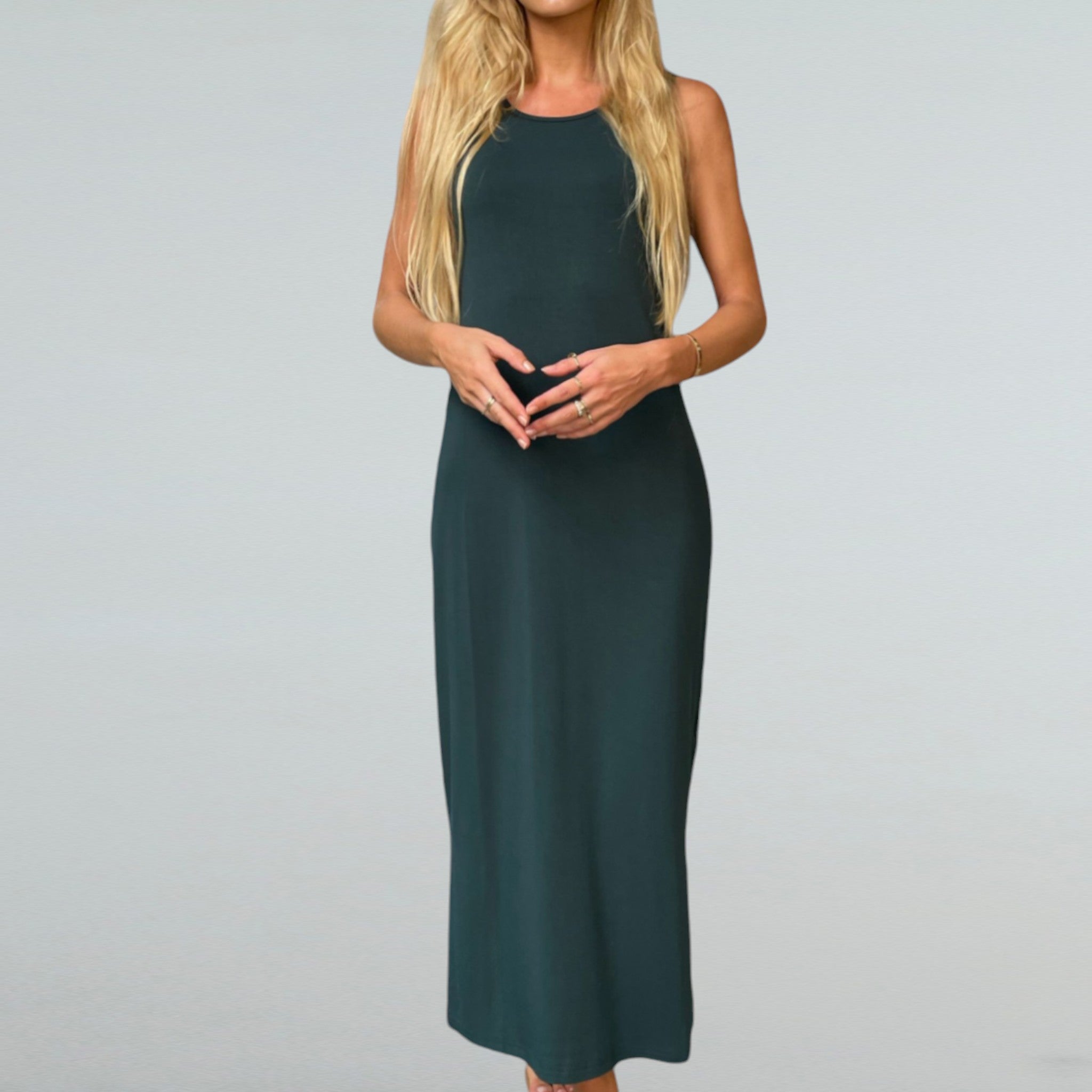
For example, Bamboa's bamboo dresses include both relaxed and longer silhouettes. Choosing the right underwear underneath them helps the complete outfit feel as comfortable as the outer garment looks.

What About Women's Underwear for Hot Weather?
Hot weather changes what many people prioritise.
Decorative detailing may become less important than lightweight fabric.
Very restrictive fits may feel less appealing.
And materials that feel comfortable for a short evening out may not necessarily be your first choice for an entire humid day.
This is where women's underwear designed for everyday comfort has an advantage over pieces designed primarily around appearance.
If you live somewhere warm, ask yourself:
Does the fabric feel lightweight?
Is it comfortable when I perspire?
Does the waistband stay in place without digging?
Are there seams in areas that tend to rub?
Can I comfortably wear it for a full workday?
Those questions reveal much more about everyday suitability than a product photograph.
Why Softness Matters
Softness can sound like a luxury feature, but for underwear it has a practical purpose.
The fabric repeatedly moves against the skin as you walk, sit and exercise. Rough material or badly positioned seams can create friction, particularly during warm weather.
Bamboo-derived fabrics are often chosen for underwear because they can produce a smooth, soft hand feel.
Current competitors in the category, including Cariloha and Boody, make softness one of the central selling points of their bamboo underwear ranges.
But again, softness should be evaluated alongside construction.
An exceptionally soft fabric cannot compensate for a waistband that constantly rolls or a cut that does not suit your body.
Fabric and fit need to work together.
Don't Choose Underwear Based on Gendered Marketing Alone
Terms such as sexy panties, briefs, bikinis, boyshorts and high-waisted underwear describe very different products and sometimes very different intentions.
There is nothing wrong with choosing underwear because you like how it looks.
But appearance and comfort do not need to be opposites.
A pair can feel attractive while still being soft and wearable.
Likewise, comfortable everyday underwear does not need to look purely functional.
The better approach is to decide what you need from the garment first.
For everyday wear, comfort may lead.
For a fitted outfit, invisibility underneath clothing may matter more.
For lounging or sleeping, softness and freedom of movement may become the priority.
For a special occasion, appearance may carry more weight.
Once you know the purpose, choosing the right style becomes much easier.
Underwear for Travel Deserves Extra Thought
Travel is one of the best tests of comfortable clothing.
A travel day might involve hours of sitting, long walks through an airport, changes in temperature and limited opportunities to change clothes.
That makes underwear particularly important.
Look for a pair that feels comfortable while sitting for long periods and does not require constant adjustment. Easy washing and drying can also become valuable during longer trips.
The same thinking applies to the rest of a travel wardrobe.
A pair of comfortable underwear, lightweight top and relaxed trousers can create a much easier long-haul outfit. Bamboa's bamboo lounge pants demonstrate the broader principle of choosing soft, flexible clothing for situations where comfort and movement matter.

When Should You Replace Your Underwear?
Underwear does not have a universal expiry date.
How long it lasts depends on the material, frequency of wear, washing method and number of pairs in your rotation.
Instead of replacing underwear according to an arbitrary date, inspect it.
Has the waistband lost its elasticity?
Has the fabric become noticeably thinner?
Does the garment no longer return to its original shape?
Has the fit changed?
Are there holes or damaged seams?
If the answer to several of these questions is yes, the garment is probably no longer doing its job properly.
Rotating several pairs rather than repeatedly wearing the same favourites can also reduce how quickly individual pieces wear out.
Care Is Part of Comfort
Even good underwear can lose its softness and shape when repeatedly washed incorrectly.
Always follow the garment's individual care label first.
Gentler washing can help protect both the fabric and elastic components. Extremely high temperatures and aggressive drying may place unnecessary stress on stretchy garments.
Bamboa recommends gentle care across its bamboo textile range and provides more information about its materials and care approach in the story of Bamboa's bamboo fabric.
Proper care is particularly important for underwear because it goes through frequent wash cycles.
A garment you wear every week needs to perform after washing, not only on the day you buy it.
Five Questions to Ask Before Buying Your Next Pair
Before buying new panties for women, take a moment to ask five simple questions.
Does the fabric feel comfortable against my skin?
Remember that you may wear it continuously for many hours.
Does the waistband stay in place without digging?
Secure does not need to mean restrictive.
Can I move without adjusting it?
Walk, sit and bend. The underwear should move with you.
Will it work underneath the clothes I actually own?
Consider dresses, trousers, fitted clothing and lighter colours.
Is it suitable for my climate and routine?
Someone commuting daily in Hong Kong humidity may have different priorities from someone spending most of the day in a cool indoor environment.
Comfort Starts With the First Layer
Underwear may be hidden underneath everything else you wear, but that does not make it unimportant.
In many ways, it determines how comfortable the rest of your outfit feels.
The right women's underwear should not constantly demand attention. It should stay in place, feel comfortable against your skin, move naturally with your body and suit the conditions in which you actually live.
That is especially valuable in warm and humid climates, where softness, lightweight construction and everyday wearability can make a noticeable difference over a long day.
Instead of buying underwear from habit, start treating it like any other important part of your wardrobe.
Consider the fabric.
Consider the fit.
Consider what you will wear over it.
And most importantly, consider how it feels after hours of real life—not simply how it looks when it is new.
Explore Bamboa's women's underwear collection for bamboo styles designed around soft, everyday comfort.
Frequently Asked Questions
What is the most comfortable type of women's underwear?
There is no single cut that is most comfortable for everyone. The best option depends on your body shape, preferred coverage and clothing. Look for soft fabric, a waistband that does not dig in and a fit that stays in place without needing frequent adjustment.
Is bamboo underwear suitable for hot weather?
Bamboo-derived fabrics are widely used in underwear because they can offer a soft hand feel and useful moisture-management characteristics. The finished fabric construction and fit are also important, so the fibre name should not be your only consideration.
What underwear should I wear under a dress?
It depends on the dress. Under fitted dresses, a smoother style can help reduce visible lines. Under loose or flowing dresses, you may prefer greater coverage. Colour also matters underneath light or slightly sheer fabrics.
How do I know if my underwear is too tight?
Common signs include a waistband or leg openings that dig into the skin, uncomfortable pressure, restricted movement or marks that remain for an extended period. A different size or cut may provide a better fit.
How often should women's underwear be replaced?
There is no fixed schedule. Replace individual pairs when the elastic stops recovering, the fabric becomes thin or damaged, seams fail or the underwear no longer fits and stays in place as intended.