
"The products we use every day shape the way we live."
Think about the first hour of your morning.
You wake up wrapped in your bedsheets, dry yourself with a towel after a shower, get dressed for work, prepare breakfast, and head out for the day. Every one of those simple moments involves products that most of us rarely think about. Yet these everyday essentials influence not only our comfort but also how much we consume, how often we replace household items, and the environmental footprint we leave behind.
Over the past decade, consumers across the United States have become increasingly conscious of the materials that surround them. Instead of focusing only on style or price, many people now ask deeper questions:
- Where was this product made?
- How long will it last?
- Is it comfortable enough to use every day?
- Does it align with a more sustainable lifestyle?
These changing priorities have brought bamboo products into the spotlight.
Once considered a niche alternative, bamboo has evolved into one of the most versatile materials used in modern homes. Today, it appears in everything from luxury bamboo sheets and ultra-soft towels to comfortable clothing, children's essentials, bathroom accessories, and everyday lifestyle products.
However, there is also plenty of confusion.
Many people assume every bamboo product is automatically sustainable.
Others believe bamboo fabric is simply "natural bamboo."
Some shoppers purchase low-quality bamboo products expecting luxury performance, only to end up disappointed because they didn't understand how bamboo textiles are actually made.
The truth is far more interesting.
Choosing high-quality bamboo products isn't just about following a sustainability trend. It's about understanding the material, recognising quality craftsmanship, and investing in products designed to improve everyday living for years rather than months.
In this guide, we'll explore:
- What bamboo materials actually are
- Why bamboo products have become so popular
- How bamboo sheets compare with traditional bedding
- The role bamboo plays in creating a healthier, more comfortable home
- How to identify genuinely high-quality bamboo lifestyle products before making a purchase
Whether you're looking to upgrade your bedroom, refresh your wardrobe, or simply make more thoughtful purchasing decisions, understanding bamboo is the first step toward creating a home that feels better, lasts longer, and reflects a more mindful way of living.
What Are Bamboo Materials?
One of the biggest misconceptions surrounding bamboo products is that they all come from the same material.
In reality, bamboo materials cover a wide range of products, each designed for different purposes and manufactured using different techniques.
Solid bamboo is commonly used for products such as:
- Hair brushes
- Combs
- Bathroom accessories
- Kitchen utensils
- Home décor
- Lifestyle accessories
These products make use of bamboo's natural strength, durability, and rapid renewability.
Soft products, however, are completely different.
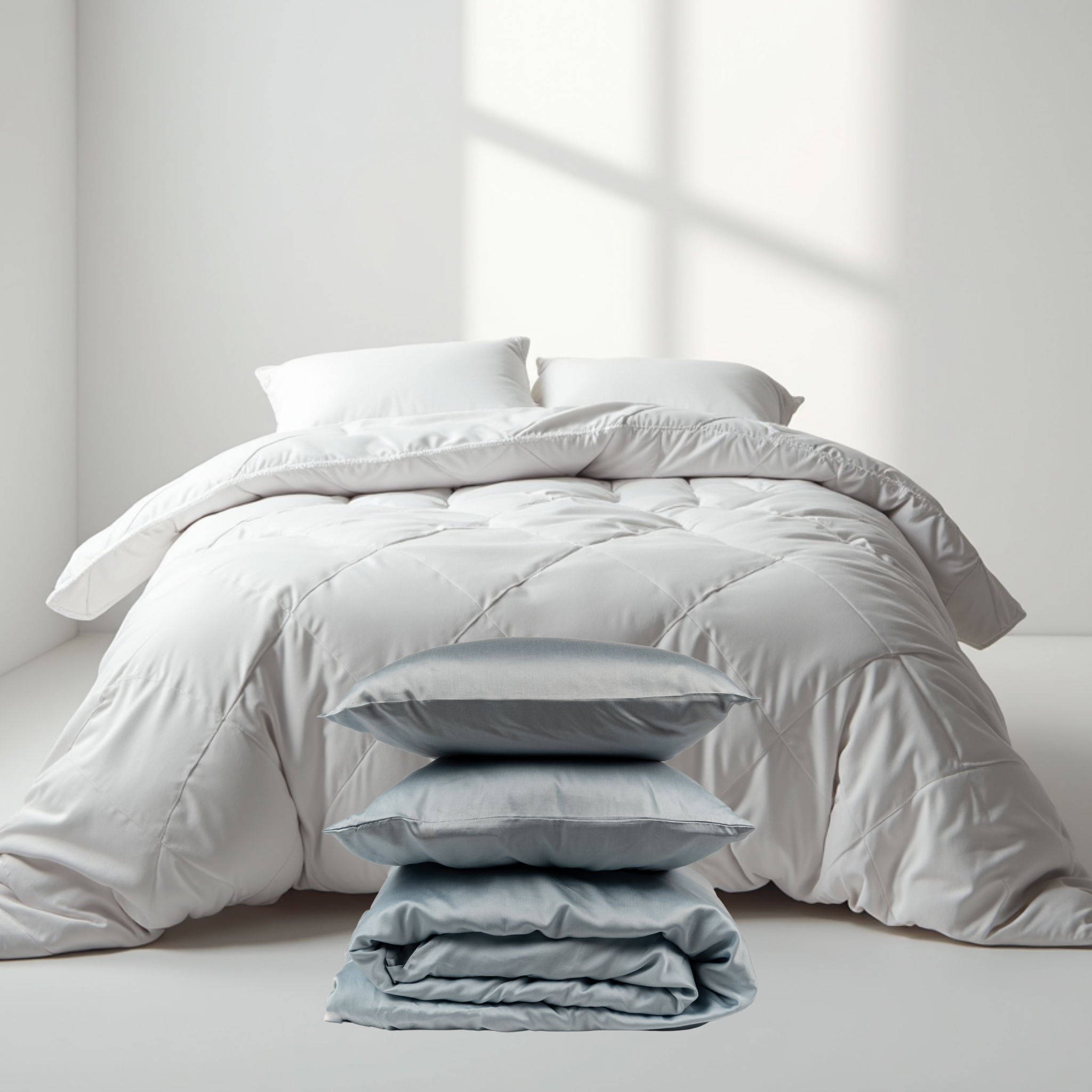
When you sleep on bamboo sheets, wear a bamboo T-shirt, or use a bamboo towel, you're using fibres created from bamboo cellulose. These fibres are processed into exceptionally soft textiles before being woven into fabrics suitable for everyday use.
Depending on the manufacturing process, you may come across terms such as:
- Bamboo Viscose
- Bamboo Rayon
- Bamboo Lyocell
Although these names are often used interchangeably, they represent different production methods.
For informed consumers, understanding these differences matters because the manufacturing process affects everything from softness and durability to environmental impact and long-term performance.
This is why reputable brands provide clear information about their materials, certifications, and production standards instead of relying solely on marketing claims.
When shopping for bamboo products, transparency is often one of the strongest indicators of quality.
Why Bamboo Products Have Become One of America's Fastest-Growing Lifestyle Choices
The growing popularity of bamboo products isn't driven by marketing alone.
It reflects changing consumer priorities.
Today's homeowners want products that combine comfort, functionality, and long-term value rather than simply following short-lived trends.
Unlike many conventional materials, bamboo-based textiles are widely appreciated for creating an exceptionally smooth sleeping and wearing experience. Many consumers describe bamboo bedding as cooler, softer, and more comfortable than traditional alternatives, making it especially attractive for modern lifestyles.
Beyond comfort, bamboo has also become closely associated with intentional living.
Instead of filling homes with disposable products that require constant replacement, many families now prefer investing in versatile, well-made essentials that can remain part of their daily routine for years.
This shift has expanded bamboo far beyond bedding.
Today, a complete bamboo lifestyle can include:
- Luxury bamboo sheets
- Bedding bundles
- Pillowcases
- Towels
- Lounge wear
- Sleepwear
- Everyday clothing
- Children's essentials
- Personal care accessories
- Home décor
Rather than purchasing isolated products, consumers are increasingly creating coordinated living spaces built around comfort, simplicity, and thoughtful design.
That evolution has transformed bamboo from a single material into an entire lifestyle category—one that continues to grow as more households look for practical ways to make everyday living feel better.
Bamboo Sheets vs. Traditional Bedding: Is There Really a Difference?
For many people, bamboo sheets are the first bamboo product they purchase. But with so many bedding options available—including cotton, microfiber, linen, and bamboo—it is natural to wonder whether the difference is noticeable or simply clever marketing.
The reality is that every material has its own strengths, and the best choice depends on your personal preferences, sleeping habits, and lifestyle.
Cotton has long been a trusted option because it is widely available and familiar to most households. Linen is valued for its durability and relaxed appearance, while microfiber is often chosen because it is affordable and easy to maintain.
Bamboo-based fabrics, however, have carved out their own place by offering a unique combination of softness, breathability, and everyday comfort.
Many homeowners choose bamboo sheets because they enjoy the smooth, lightweight feel against the skin. High-quality bamboo bedding drapes naturally over the mattress, creating a luxurious sleeping experience without feeling heavy or restrictive.
Rather than focusing on a single feature, bamboo bedding is appreciated for balancing comfort, practicality, and long-term usability.
Comparison at a Glance
|
Feature |
Bamboo Sheets |
Cotton Sheets |
Microfiber |
|
Feel |
Silky smooth and soft |
Soft depending on quality |
Soft but more synthetic |
|
Breathability |
Excellent |
Good |
Moderate |
|
Moisture Management |
Very Good |
Good |
Limited |
|
Everyday Comfort |
Excellent |
Very Good |
Good |
|
Sustainability Potential |
High (when responsibly sourced) |
Varies by farming methods |
Petroleum-based |
The comparison isn't about declaring one material "better" than another. Instead, it helps consumers understand which material aligns best with their personal comfort preferences and lifestyle.

How to Identify High-Quality Bamboo Products
One of the biggest mistakes shoppers make is assuming that every product labeled "bamboo" offers the same quality.
Unfortunately, that isn't true.
Just like any other textile or household product, bamboo products vary significantly depending on the manufacturer, production methods, and quality standards.
Before making a purchase, consider these important questions:
1. Does the Brand Explain Its Materials?
Reliable brands provide clear information about the fabrics they use rather than relying on vague marketing language.
Instead of simply saying "made from bamboo," look for detailed explanations about fibre composition, manufacturing methods, and product specifications.
Transparency builds trust.
2. Are Product Details Clearly Explained?
Quality brands provide detailed information about:
- Fabric composition
- Product dimensions
- Care instructions
- Available sizes
- Product features
- Washing recommendations
The more information a company shares, the easier it becomes to make an informed purchasing decision.
3. Are Certifications Available?
Responsible manufacturers often provide certifications that demonstrate compliance with recognised environmental or textile standards.
While certifications vary between brands, they offer additional confidence that the products have been manufactured according to established guidelines.
4. Is Comfort Prioritised?
A product can be environmentally conscious while still providing exceptional comfort.
Whether you're buying bedding, towels, clothing, or accessories, quality bamboo products should feel comfortable enough to become part of your everyday routine—not something reserved for special occasions.
5. Does the Brand Focus on Long-Term Value?
Sustainability isn't simply about purchasing products made from renewable materials.
It also means choosing products designed to last.
Replacing inexpensive products every few months often creates more waste than investing in durable, well-made essentials that continue performing for years.
This is why experienced shoppers increasingly evaluate durability alongside comfort and sustainability.
Creating a Bamboo Lifestyle Instead of Buying Individual Products
Many people begin their bamboo journey with a single purchase.
Perhaps it's a set of bamboo sheets.
Maybe it's a pair of bamboo pajamas.
Or perhaps it's a luxurious towel.
Over time, however, many consumers discover that bamboo fits naturally into multiple areas of everyday living.
Instead of treating bamboo as one isolated product category, they gradually build a complete bamboo lifestyle centred around comfort, simplicity, and thoughtful choices.
For example:
Bedroom
A comfortable bedroom starts with quality bedding.
Bamboo bedding collections may include:
- Bamboo sheets
- Pillowcases
- Duvet covers
- Complete bedding bundles
Together, these products create a coordinated sleep environment designed around softness and everyday comfort.
Bathroom
Bathrooms are another area where bamboo products have become increasingly popular.
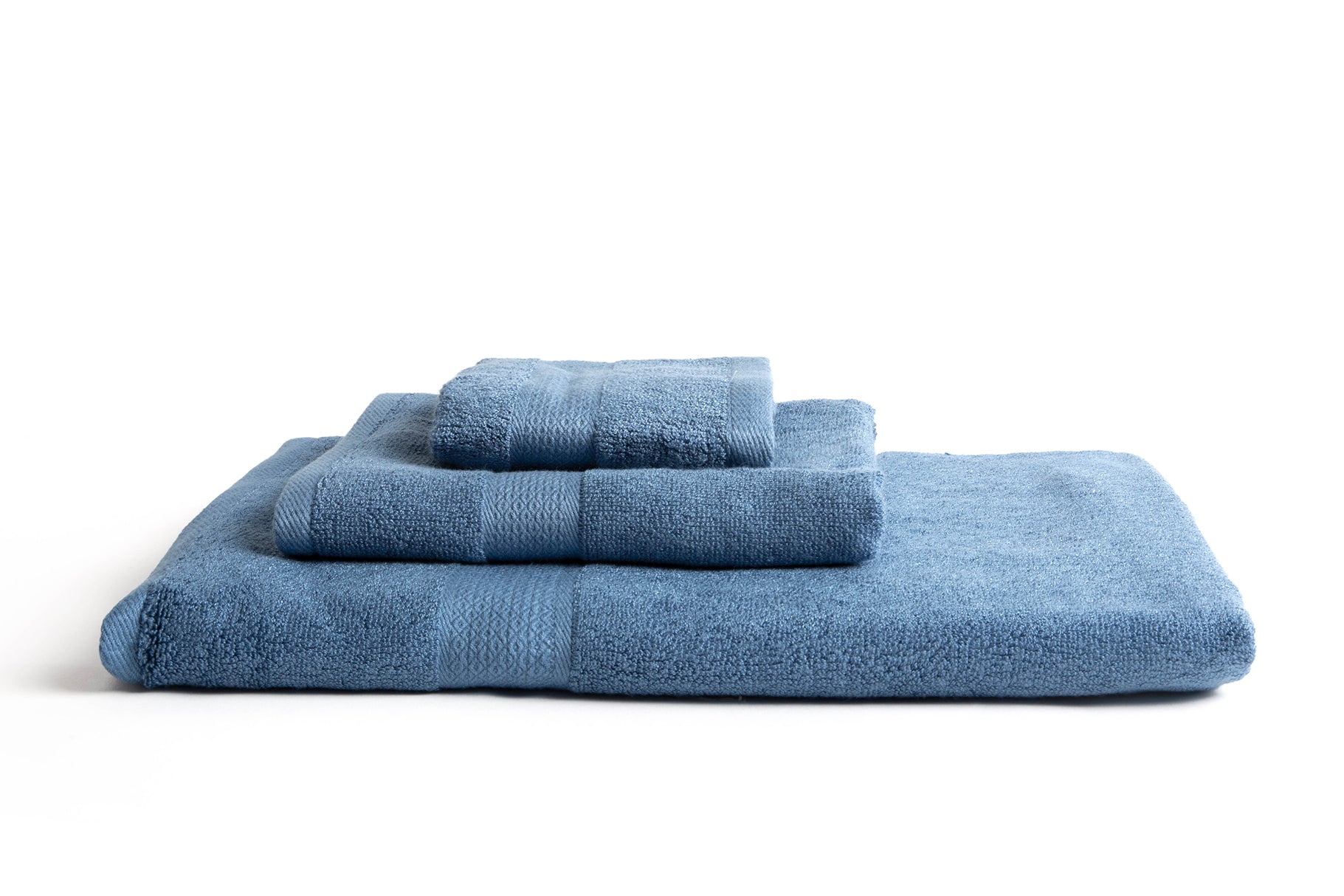
Soft bamboo towels can provide a comfortable daily experience while helping create a clean, spa-inspired atmosphere at home.
Many households also introduce bamboo personal care accessories such as:
- Hair brushes
- Combs
- Cotton buds
- Massage brushes
These small additions contribute to a more consistent lifestyle built around quality everyday essentials.
Wardrobe
Comfort doesn't end when you leave the bedroom.
Today's bamboo apparel includes:
- T-shirts
- Tank tops
- Dresses
- Sleepwear
- Lounge pants
- Shorts
- Underwear
Rather than focusing solely on appearance, many people choose bamboo clothing because they enjoy fabrics that feel soft, lightweight, and comfortable throughout the day.
As wardrobes become more intentional, quality often becomes more important than quantity.
A Smarter Way to Transition
One common misconception about sustainable living is that everything must be replaced immediately.
In reality, the most practical approach is gradual.
Instead of discarding perfectly usable household items, replace products naturally as they reach the end of their life.
This approach reduces unnecessary waste while allowing you to invest in better-quality replacements over time.
It also makes sustainable purchasing more affordable and realistic for most families.
Common Myths About Bamboo Products
As bamboo products have become more popular, so have misconceptions. Understanding the facts helps consumers make informed purchasing decisions instead of relying on marketing claims or outdated assumptions.
Myth 1: Every Bamboo Product Is the Same
One of the biggest misconceptions is that all bamboo products offer identical quality.
In reality, quality depends on several factors, including the manufacturing process, fibre composition, craftsmanship, finishing, and the standards followed by the brand. Two products may both be labeled as "bamboo," yet deliver completely different experiences in terms of softness, durability, and overall performance.
Myth 2: Sustainability Is Only About the Material
Many people believe that if a product is made from bamboo, it is automatically the most sustainable option.
The truth is more balanced.
Responsible manufacturing, ethical sourcing, durable construction, recyclable packaging, and long product life all contribute to sustainability. A well-made product that lasts for years often has greater value than one that requires frequent replacement.
Myth 3: Bamboo Products Require Special Maintenance
Another common misconception is that bamboo textiles are difficult to maintain.
Most premium bamboo bedding, towels, and apparel can be cared for just like other quality fabrics. Following the recommended washing instructions, using mild detergents, avoiding excessive heat, and drying appropriately will help preserve softness and extend the life of the product.
Good care habits are less about complexity and more about consistency.
Simple Care Tips to Keep Bamboo Products Looking Their Best
Investing in quality products is only the first step. Proper care helps preserve their appearance and comfort over time.
A few simple habits can make a noticeable difference:
- Wash bamboo bedding and clothing using a gentle cycle.
- Choose mild detergents and avoid harsh chemicals whenever possible.
- Wash similar fabrics together to reduce unnecessary friction.
- Follow the manufacturer's recommended washing temperature.
- Avoid excessive heat during drying, as high temperatures may shorten fabric life.
- Store products in a clean, dry environment when not in use.
These small practices help maintain softness while supporting the long-term performance of bamboo textiles.
Why Transparency Matters More Than Marketing Claims
Today's consumers have access to more information than ever before.
Rather than being persuaded by broad claims such as "eco-friendly" or "natural," shoppers increasingly look for evidence that supports those statements.
Questions worth asking include:
- Does the company explain where its materials come from?
- Are product specifications clearly available?
- Are care instructions easy to understand?
- Does the brand provide certification information where appropriate?
- Is customer support accessible if questions arise?
Brands that openly share this information demonstrate confidence in their products and help customers make informed decisions.
Transparency builds trust, and trust is one of the most valuable qualities any lifestyle brand can offer.
Creating a More Comfortable Home with Bamboa
Building a more thoughtful home doesn't require changing everything overnight. Instead, it begins with choosing products that deliver comfort, quality, and long-term value in the places where you spend the most time.
Bamboa offers a carefully curated collection of bamboo lifestyle products designed to support everyday living, including:
- Bamboo bedding collections
- Bamboo sheets and duvet covers
- Pillowcases
- Bamboo towels
- Women's and men's apparel
- Sleepwear and loungewear
- Children's bamboo essentials
- Personal care products
- Lifestyle accessories
By offering a complete collection under one trusted brand, Bamboa makes it easier to create consistency throughout your home while choosing products designed with comfort and craftsmanship in mind.
Whether you're upgrading your bedroom, refreshing your wardrobe, or introducing more thoughtful everyday essentials into your routine, starting with quality products can make every day feel a little more comfortable.
Frequently Asked Questions
Are bamboo products suitable for everyday use?
Yes. Bamboo products such as bedding, towels, clothing, and accessories are designed for everyday comfort and become part of many households' daily routines.
What should I look for before buying bamboo sheets?
Look beyond thread count. Consider the material composition, construction quality, certifications (where applicable), care instructions, and the reputation of the brand.
Can bamboo products be used throughout the home?
Absolutely. Bamboo is now used across bedding, bath textiles, apparel, kids' collections, accessories, and personal care products, making it easy to create a consistent lifestyle centred around comfort.
How should bamboo products be cared for?
Follow the care instructions provided by the manufacturer. Gentle washing, mild detergents, and avoiding excessive heat will help maintain the appearance and softness of bamboo textiles.
Final Thoughts
Choosing better everyday products isn't about following trends—it's about investing in comfort, quality, and products that continue to perform over time.
From bamboo sheets that transform your sleep experience to bamboo lifestyle products that bring consistency throughout your home, bamboo has become much more than a material. It represents a thoughtful approach to everyday living, where comfort and quality go hand in hand.
As consumers become more mindful about what they bring into their homes, brands that prioritise transparency, craftsmanship, and long-term value will continue to stand out.
If you're exploring bamboo products for the first time or looking to expand your collection, take the time to understand the materials, compare quality rather than marketing claims, and choose products that genuinely fit your lifestyle.
With a complete range of bedding, towels, apparel, children's products, personal care items, and accessories, Bamboa provides everything you need to begin building a home that feels more comfortable, more intentional, and ready for the future.